
Sacrifice is only honorable if you actually agreed to it.

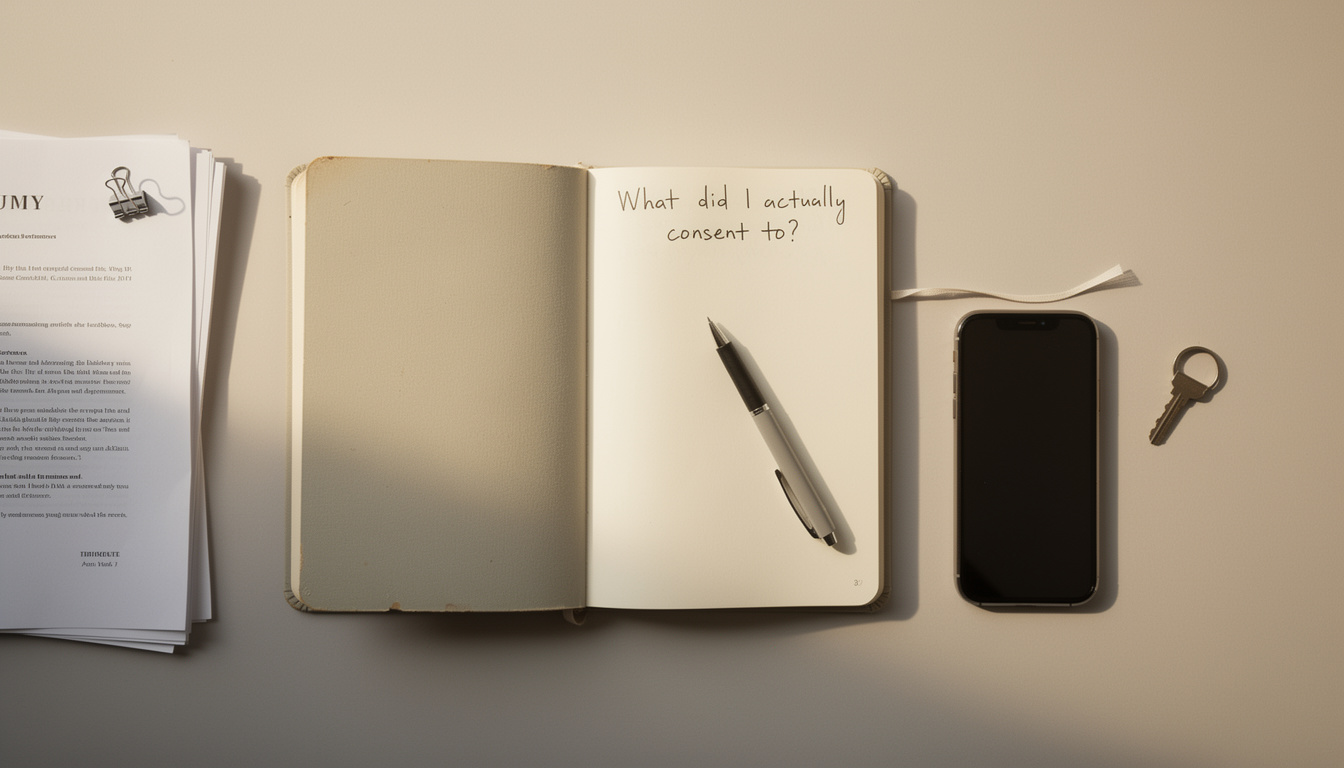
Sacrifice is only honorable if you actually agreed to it.
A trade you choose has a signature. A trade that just keeps happening becomes identity. Most operators never signed the second one. They just woke up inside it.
—
The myth we keep polishing sounds noble. “This is what it takes.” “It’s a season.” “I’m building something.” The data tells a different story. Eighty-three percent of small business owners report chronic workload stress. Over forty percent miss family events monthly. Eighty-four percent gave something up last year — family time leading at nearly forty-six percent, physical health right behind at forty-two. The average operator surrenders nineteen point eight hours a week. That’s forty-three days a year. Gone from family, hobbies, sleep, health. Forty-four percent missed a personal occasion. Kids’ pickups. Anniversaries. Weddings. Funerals. One owner missed the birth of their child.
This isn’t “business is hard.” This is a pattern of tradeoffs that got normalized into identity. We didn’t decide this. We just kept not deciding otherwise.
—
The hidden contract reads like this:
– I’ll miss this one thing.
– I’ll answer after dinner.
– I’ll skip sleep this week.
– I’ll put myself last for now.
– I’ll make it up later.
Then later becomes a lifestyle.
Three operator archetypes carry this contract without ever signing it:
The contractor checking texts at eleven PM because tomorrow’s job hangs on one detail. His family gets the leftovers of his attention.
The agent calling it hustle while mentally absent at the kid’s game. Leads during dinner. Showings on the only open Saturday.
The solo operator with no real day off in months because “the business depends on me.” The business now depends on the fact that she never stops.
These aren’t time management failures. They’re boundary structure failures. Research on self-employed workers shows they actively use time, space, and physical objects to create boundaries. When the structure is weak, sacrifice stops being deliberate and turns into leakage. The calendar is technically open. Every blank space gets claimed. “I’ll do it later” means “I’ve already decided this doesn’t get a real slot.”
—
The fear underneath isn’t “I’m working too much.” The real fear: *If I stop doing this, what breaks?*
That’s not laziness. That’s an identity system built under pressure. I know that system. The shapeshifting years taught me a conclusion: *Who I am as myself isn’t good enough to be accepted.* The business became the proof. The sacrifice became the currency. I kept paying it because the alternative — stopping long enough to ask whether I’d agreed — felt like dissolving.
Here’s what the core belief actually says: happiness is the prerequisite, not the reward. You can’t build toward more from a place of self-rejection. The “kill yourself to earn happiness” model is the false pitch everyone was sold. I bought it for decades. The receipt is in every missed dinner, every canceled plan, every “just one more thing” that became the default setting.
—
Consent changes the math.
A chosen trade has terms. You know what you’re giving, what you’re getting, and when you’ll review. An inherited trade has no terms. It just takes.
The shift: stop romanticizing what you never consented to.
Try this mental check. Pick one thing you’ve “sacrificed” in the last thirty days. Ask: did I explicitly agree to this trade, or did it happen while I was looking elsewhere? If chosen — name it, own it, honor it. If inherited — stop calling it virtue. Start asking what changes.
—
Where systems actually fit: automations don’t just save time. They expose what you were doing manually out of guilt, fear, or habit. The calendar that’s “technically open” but every blank space gets claimed? That’s not a scheduling problem. That’s a consent problem. AI as thought partner — not replacement — shortens the time to inevitability. The clarity to see which trades are real and which are drift. The tools that finally let me see the pattern didn’t give me boundaries. They showed me where I’d stopped enforcing them.
—
What’s the one cost you’ve been calling noble that you never actually agreed to?
Consent isn’t selfish. It’s the only thing that makes the trade worth it.